
Blogs
What Is Back-Channel Diplomacy? A Clear Look at the Hidden Side of International Negotiations

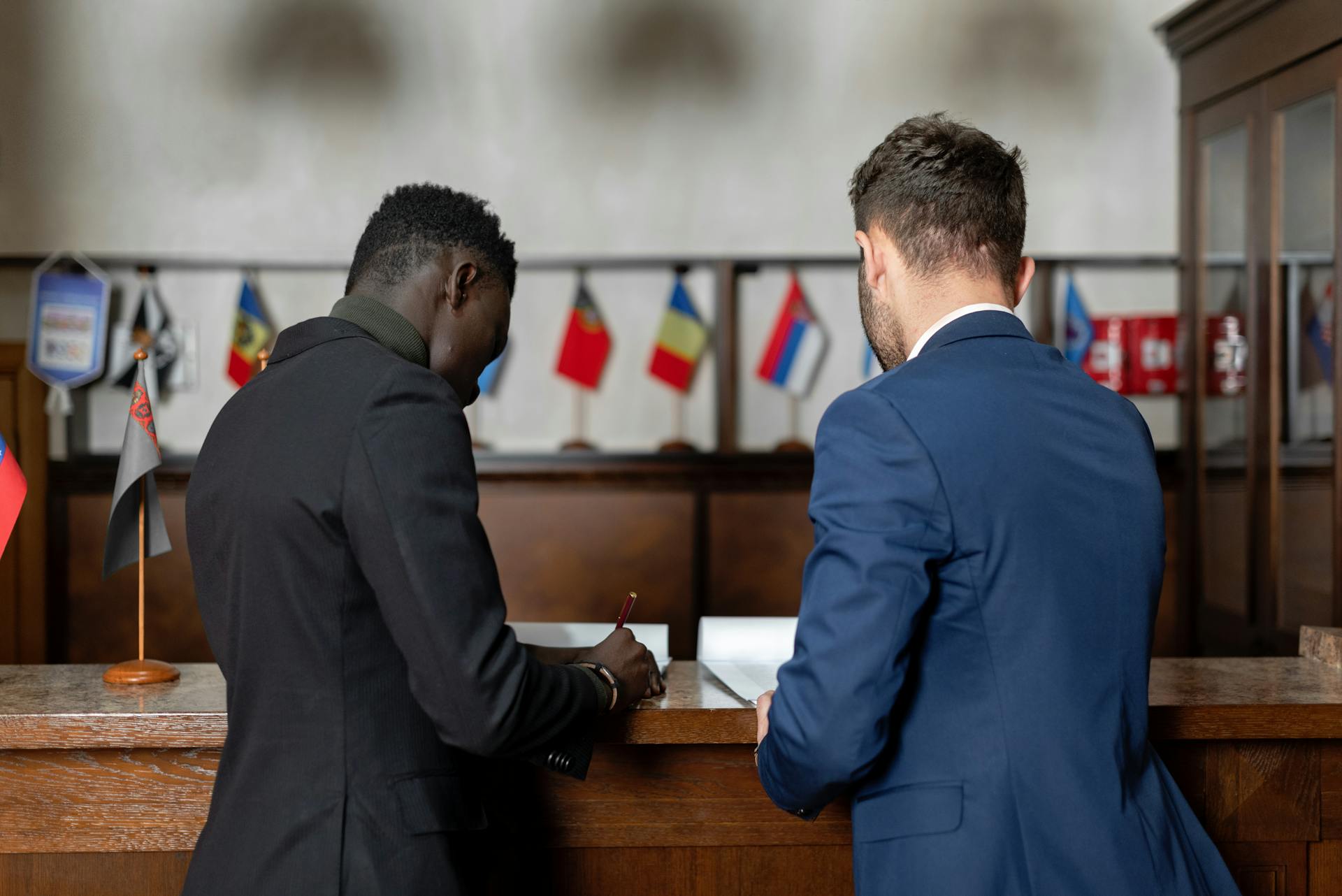
Back-channel diplomacy is one of those terms that pops up whenever there’s a major crisis or a sudden diplomatic breakthrough. You’ll hear that two countries were “talking behind the scenes” or that an agreement was reached through “secret channels,” but the details are usually vague. That’s because, by design, back-channel diplomacy happens out of the public eye.
So what exactly is it, and why do governments rely on it so often?
The Core Idea Behind Back-Channel Diplomacy
Back-channel diplomacy refers to unofficial, private communication between countries that takes place outside formal diplomatic channels. These conversations aren’t public, aren’t recorded on official agendas, and usually involve only a handful of trusted individuals.
The purpose is simple: create a safe space where governments can explore possibilities, exchange information, test ideas, and negotiate without pressure from the media, political rivals, or public opinion. It allows leaders to speak honestly, take risks, and float proposals that might be impossible to discuss in traditional diplomatic settings.
Why Governments Use Back Channels
Official diplomacy is slow, heavily scripted, and often constrained by political expectations. Every statement is analyzed, every move is watched, and every word becomes part of the public record. In high-stakes situations, that environment can make progress nearly impossible.
Back channels offer flexibility. Leaders can clarify intentions, reduce misunderstandings, and quietly rebuild trust. They can also manage crises before they spiral, since private communication lowers the risk of misinterpretation and public posturing.
Governments also use back-channel diplomacy when they don’t want to acknowledge that conversations are happening at all. For example, when two hostile countries begin exploring peace talks, neither side wants to appear weak or too eager. A private channel gives them room to talk without committing publicly.
How Back-Channel Diplomacy Works in Practice
The people involved in back-channel diplomacy are rarely large delegations. Instead, they’re usually trusted advisors, intelligence officials, former diplomats, or special envoys who can speak directly on behalf of leaders. Because the conversations are informal, they can move quickly and cut through bureaucratic layers that slow traditional negotiations.
These channels can start in many ways—through intermediaries, friendly nations, international organizations, or even personal relationships between leaders. Sometimes they last only a few days to manage a crisis. Other times they remain active for months or years, slowly shaping the groundwork for major agreements.
The process is often delicate. Participants must have enough authority to negotiate but be unofficial enough that governments can deny involvement if the talks collapse. This balance allows progress without immediate political costs.
Historical Impact of Back-Channel Diplomacy
Some of the most significant diplomatic breakthroughs in history began through secret conversations. During the Cold War, back-channel discussions helped the United States and the Soviet Union avoid misunderstandings that could have escalated into nuclear conflict. The early steps toward the U.S.–China relationship in the 1970s also began through quiet, non-public exchanges that eventually led to formal normalization.
Back-channel diplomacy has played a role in peace deals, hostage negotiations, and conflict de-escalation across the world. The public often only learns about these talks long after they’re successful—or sometimes never at all.
Why Back Channels Are Still Essential Today
In a world where every statement is instantly broadcast and analyzed online, public diplomacy has become even more constrained. Leaders worry about political backlash, social media reactions, and how their opponents will weaponize their words.
Back-channel diplomacy remains a vital tool because it cuts through that noise. It lets governments explore options quietly before making any public commitments. It helps prevent miscommunication in moments of tension, especially when military forces or nuclear assets are involved. And it allows rivals to communicate even when official relations are frozen.
Modern back channels also extend into new areas, including cyber communication, private messaging between leaders, and unofficial contacts through business figures or academics. While the methods change, the purpose remains the same: keep lines of communication open when official pathways are blocked or too risky.
The Limitations and Risks
Back-channel diplomacy is powerful, but it isn’t perfect. Because it’s secretive, it can be controversial once revealed. Citizens may feel excluded from important decisions. Legislatures may resent being bypassed. And secrecy can create suspicion if the existence of talks is exposed at the wrong time.
There’s also the challenge of converting a private understanding into a public agreement. What two negotiators can agree to in private may not always survive the pressures of domestic politics once the details go public.
Despite these challenges, back channels remain one of the most effective ways to manage crises, build foundations for peace, and maintain communication between adversaries.
Back-channel diplomacy is the hidden side of international relations—the quiet conversations that often shape the world more than public speeches or official summits. It allows countries to communicate honestly, manage crises, and explore solutions without the constraints of publicity. While it isn’t always visible, it plays a crucial role in preventing conflict and opening doors that formal diplomacy alone cannot unlock.