
Blogs
Fiction About Covert Operations: Why Secret Missions Make Powerful Stories

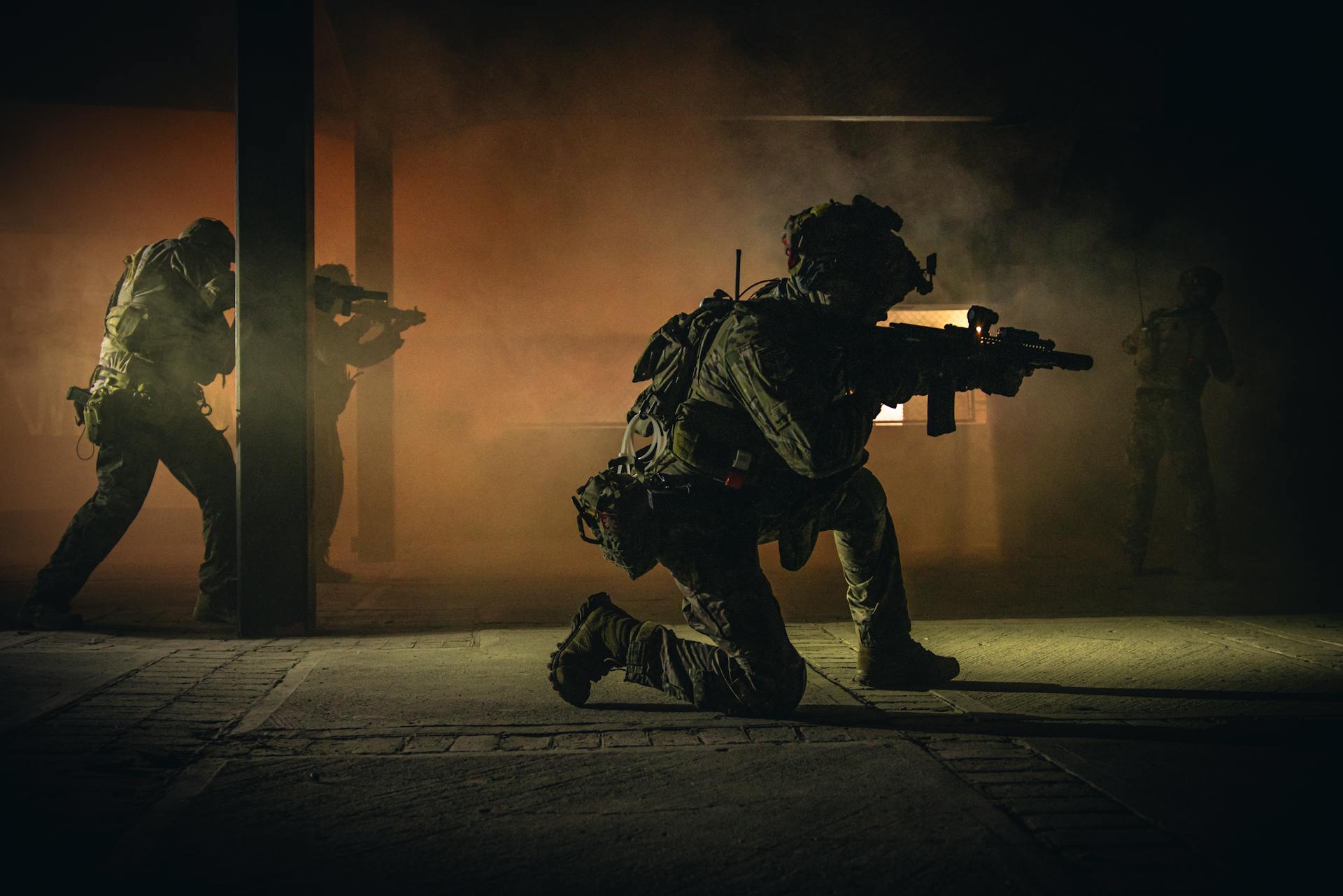
Fiction about covert operations has long held a firm place in popular storytelling. From hidden intelligence agencies to missions carried out in the shadows, these stories pull readers into worlds where nothing is as it seems. The appeal is not just about action or danger. It is about secrecy, moral tension, and the human cost of living a double life.
In recent years, interest in covert operations fiction has grown even stronger. Readers want stories that feel realistic, psychologically grounded, and rooted in the complexities of modern geopolitics. Whether the setting is a war zone, a quiet European city, or a digital battlefield, covert fiction continues to evolve while staying true to its core themes. Authors exploring political fiction or economic warfare also draw readers into these high-stakes worlds.
What Defines Covert Operations in Fiction
At its heart, covert operations fiction focuses on missions designed to remain hidden from public view. These operations are often carried out by intelligence agencies, special units, or individuals working under deep cover. Unlike traditional military fiction, the emphasis is rarely on open combat. Instead, the tension comes from secrecy, deception, and the constant risk of exposure.
Characters in these stories operate without recognition or protection. If they fail, their governments may deny any involvement. This element of plausible deniability creates high stakes and forces characters to rely on their own judgment rather than institutional support.
Many novels in this genre draw inspiration from real-world intelligence structures such as the Central Intelligence Agency, the MI6, or the Mossad, while still remaining firmly fictional. This balance between reality and imagination helps stories feel authentic without being constrained by historical fact.
Why Readers Are Drawn to Covert Fiction
One reason covert operations fiction resonates so strongly is its focus on hidden power. Readers are fascinated by what happens behind closed doors, beyond official statements and headlines. These stories suggest that world events are shaped not only by public decisions, but by quiet actions taken in secret. Understanding the mechanics of back-channel diplomacy can enhance appreciation for these hidden dynamics.
Another major draw is psychological depth. Characters involved in covert missions often live fragmented lives. They lie for a living, suppress personal relationships, and carry secrets they can never share. This internal conflict adds emotional weight that goes beyond simple good-versus-evil narratives.
There is also a moral complexity unique to this genre. Covert operatives may be tasked with preventing large-scale harm, but their actions often involve manipulation, betrayal, or collateral damage. Fiction allows writers to explore these gray areas without offering easy answers.
Realism Versus Fantasy in Covert Storytelling
Strong fiction about covert operations usually leans toward realism rather than spectacle. While some stories feature high-tech gadgets or dramatic escapes, the most compelling narratives focus on tradecraft, surveillance, and human intelligence.
Realistic covert fiction pays attention to details such as coded communication, dead drops, false identities, and long periods of waiting. Tension builds slowly, often through conversations, subtle mistakes, or shifting alliances. This grounded approach makes the eventual payoff more impactful.
That said, there is room for variation. Some novels push closer to thriller territory, while others blend espionage with political drama or psychological suspense. What matters most is internal consistency. Readers are willing to suspend disbelief as long as the world feels coherent and the characters behave in believable ways.
Common Themes in Fiction About Covert Operations
Several themes appear repeatedly across the genre. Identity is one of the most prominent. Characters frequently struggle with who they really are after years of pretending to be someone else. Loyalty is another central theme, especially when personal values conflict with orders from above.
Trust is also fragile in these stories. Alliances shift, informants disappear, and even colleagues may have hidden agendas. This constant uncertainty keeps readers engaged and mirrors the paranoia that often defines life in intelligence work.
Finally, many covert fiction stories explore the cost of secrecy. Careers are destroyed, families are endangered, and personal sacrifices are rarely acknowledged. These consequences give emotional depth to stories that might otherwise focus only on plot mechanics.
The Evolution of Covert Operations Fiction
Earlier covert fiction often centered on Cold War rivalries and clear geopolitical divides. Modern stories, however, reflect a more fragmented world. Threats are decentralized, technology plays a larger role, and enemies are not always easily defined.
Cyber espionage, private intelligence contractors, and non-state actors now feature heavily in contemporary narratives. This evolution keeps the genre relevant and allows writers to address current anxieties without tying their stories to specific real-world events.
Readers today also expect more nuance. Simple hero narratives are giving way to flawed protagonists who question their missions and the systems they serve.
Why Covert Fiction Continues to Matter
Fiction about covert operations does more than entertain. It offers a lens through which readers can examine power, secrecy, and ethical compromise. By placing readers inside hidden worlds, these stories encourage critical thinking about how decisions are made and who pays the price for them.
As long as secrecy remains a part of global politics, covert operations fiction will continue to find an audience. Its ability to combine suspense, psychology, and moral tension ensures that it remains one of the most compelling forms of modern storytelling.