
Blogs
The Future of War: Exploring Tech-Enhanced Military Fiction

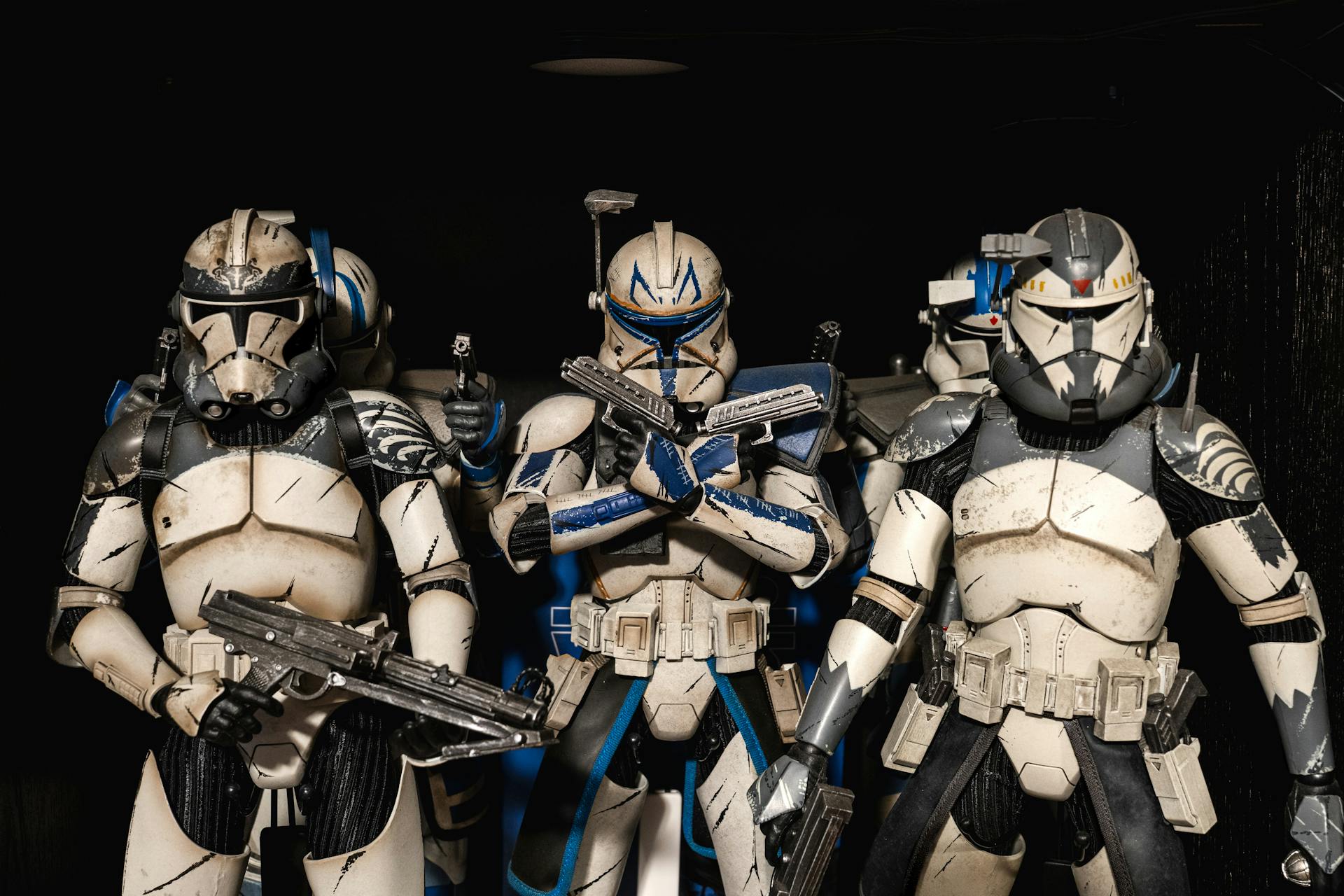
From ancient warfare to drone swarms, humanity has always sought an edge in battle. Tech-enhanced military fiction takes that pursuit and turns it into story — a genre where technology doesn’t just change the rules of combat, it changes the nature of being human.
These stories transport readers into worlds where soldiers wear powered armor, armies are guided by artificial intelligence, and warfare stretches into cyberspace. Yet, beneath the tactical brilliance and futuristic weaponry lies the same age-old question: what happens to humanity when machines do our fighting for us?
In this blog, we’ll explore what defines tech-enhanced military fiction, its origins, key examples, and why it continues to resonate with modern readers.
What Defines Tech-Enhanced Military Fiction?
At its heart, tech-enhanced military fiction examines the intersection between innovation and warfare. It isn’t just about explosions or strategy — it’s about transformation. The genre explores how soldiers, governments, and entire societies evolve (or fracture) under the weight of technological progress.
Common themes include:
- Cyborg soldiers and enhanced bodies: Humans reengineered for combat, struggling to retain their souls beneath the circuitry.
- Artificial intelligence in warfare: Machines that outthink generals, raising questions about autonomy, trust, and accountability.
- Cyberwarfare and digital battlegrounds: Conflicts fought not with bullets but with algorithms, where a single line of code can destroy a nation.
- Moral and ethical fallout: The cost of progress — where victory might mean losing one’s humanity.
While military fiction has always examined valor and sacrifice, the tech-enhanced variant asks deeper questions. It wonders not just how wars are fought, but why — and what happens when human instinct meets machine precision.
A Brief History of Military Science Fiction
The roots of tech-enhanced military fiction stretch back decades. Long before drones and neural implants were real, writers were imagining them.
- Robert A. Heinlein’s Starship Troopers (1959) introduced powered armor and a militarized society built around service and duty.
- Joe Haldeman’s The Forever War (1974) captured the emotional dislocation of soldiers fighting across centuries, as relativity turned time itself into an enemy.
- John Scalzi’s Old Man’s War (2005) reimagined aging veterans given genetically enhanced bodies to fight for humanity’s survival.
- William Gibson’s Neuromancer (1984), though not strictly military, defined the digital front — the matrix as a battlefield.
Each of these novels mirrored their era’s fears: nuclear proliferation, the Vietnam War, or the rise of computer networks. As real-world technology evolved, so too did the imagination of warfare.
Tech-Enhanced Warfare in Modern Fiction
Today’s authors are pushing the boundaries even further. In a world already saturated with drones, surveillance, and artificial intelligence, the line between fiction and future feels razor-thin.
Modern tech-enhanced military fiction explores:
- Autonomous weapons and moral ambiguity. Who’s responsible when a machine makes the kill?
- Hybrid soldiers — part human, part synthetic. What does loyalty mean when your memories can be rewritten?
- Globalized warfare. Conflicts fought not just on Earth, but across corporate empires, orbital stations, and digital realms.
Recent examples like Linda Nagata’s The Red Trilogy and Marko Kloos’s Frontlines series highlight the complexity of twenty-first-century warfare — where soldiers are not only trained but upgraded.
Why Readers Are Drawn to Tech-Enhanced Military Fiction
For readers, this genre is both thrilling and unsettling. It satisfies the craving for fast-paced action, but it also probes deeper anxieties about power, ethics, and survival.
- It mirrors reality.
Today’s headlines read like plotlines from science fiction: autonomous drones, predictive warfare, augmented reality training. Readers sense that these stories aren’t distant speculation — they’re previews. - It explores moral frontiers.
What happens when soldiers no longer fear death, when empathy can be programmed, or when wars are fought without human witnesses? Tech-enhanced military fiction dares to ask those questions. - It redefines heroism.
Traditional war stories celebrate courage and sacrifice. But when your body is replaceable and your orders come from an AI, courage looks different — quieter, internal, human. - It captures the paradox of progress.
Every innovation promises safety, yet each brings new dangers. These novels remind us that technology amplifies both strength and fragility.
The Human Element in the Age of Machines
What makes this genre powerful isn’t the tech itself — it’s how it reshapes human experience. A soldier wired into an AI network might never feel alone, but they also might never truly be themselves again. A commander who sees battle through drones may never face the blood on their own hands.
These stories become meditations on alienation, identity, and purpose. They echo the same themes that powered classic war literature — only now refracted through the cold glow of a digital lens.
In many ways, tech-enhanced military fiction is our new mythology of conflict. The gods have been replaced by algorithms, but the stakes — fear, duty, loss, redemption — remain timeless.
The Craft of Writing Tech-Enhanced Military Fiction
For authors, writing within this genre means balancing precision with emotion. The technology must feel credible — detailed enough to be believable — but it should never eclipse the people inside the machines.
Writers often draw from military history, engineering, and psychology, weaving authenticity into speculation. The key lies in perspective: portraying soldiers not as weapons, but as individuals navigating the moral wreckage of innovation.
Dialogue, pacing, and sensory detail become essential. A great battle scene isn’t about the hardware — it’s about what the hardware does to the hearts of those who wield it.
Why Tech-Enhanced Military Fiction Matters
In an era when drones patrol skies and algorithms shape geopolitics, this genre feels more relevant than ever. It forces readers to confront the ethical edges of progress. It reminds us that technology may evolve faster than humanity’s wisdom to control it.
More than escapism, tech-enhanced military fiction is a warning wrapped in wonder. It shows us futures where war has become efficient, but peace remains elusive.
As readers, we’re drawn to these stories because they feel prophetic. They ask not just where technology will take us, but what we’ll become once it does.
Why You Should Read Tech-Enhanced Military Fiction
If you’ve ever looked at the world’s headlines and wondered where all this innovation leads — these stories offer the answer in metaphor and fire. They let you stand inside the cockpit, feel the hum of machinery beneath your skin, and decide whether humanity’s future lies in control or surrender.
Whether it’s Heinlein’s idealism, Haldeman’s melancholy, or the new wave of near-future tacticians writing today, tech-enhanced military fiction remains one of literature’s most vital lenses on human evolution.
In the end, these stories remind us that progress has a pulse — and it beats inside the people who risk everything to define it.