
Blogs
Vanishing Point: The Allure of the Invisibility Sci-Fi Thriller

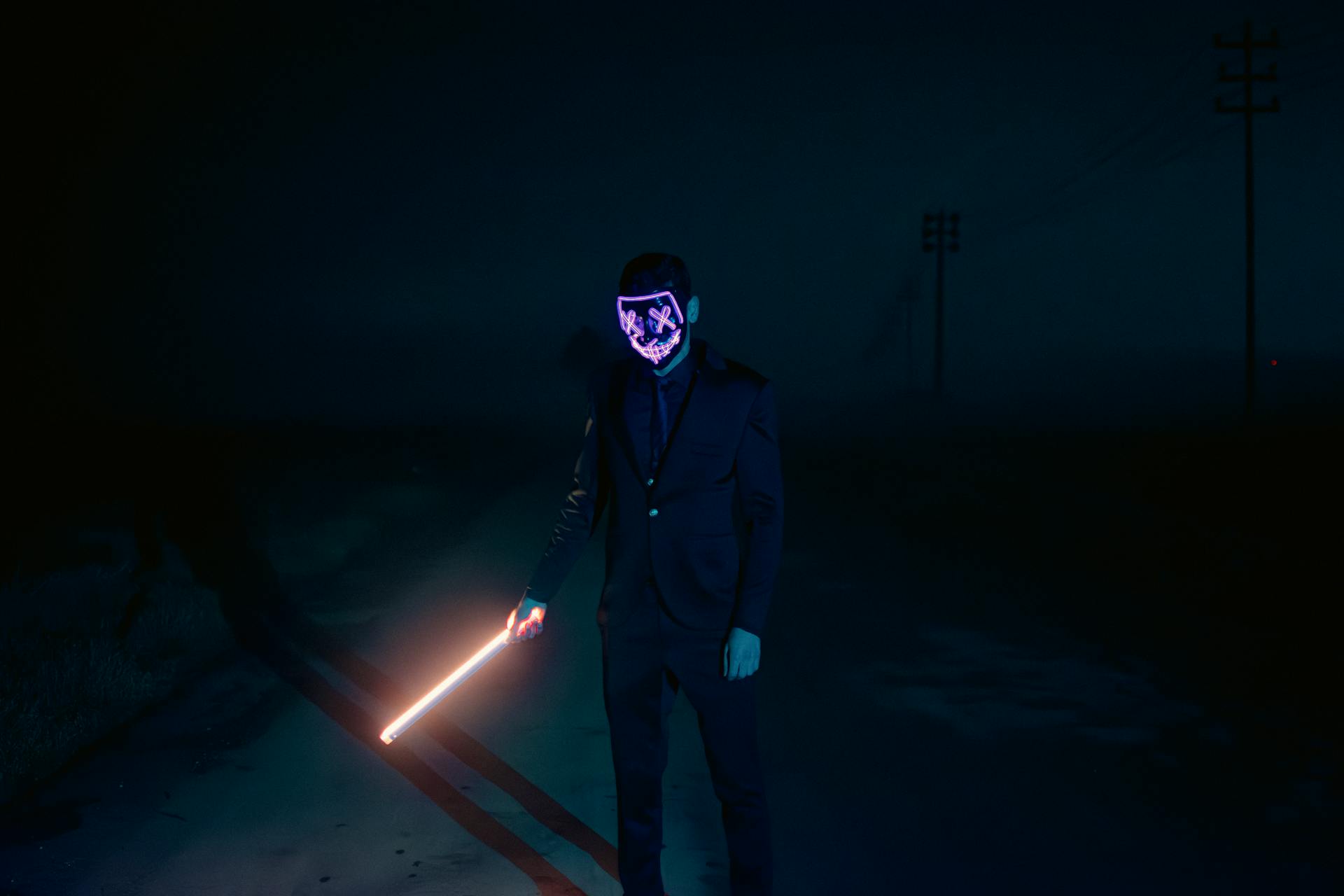
From ancient myths to modern science, the dream of vanishing has always haunted the human imagination. In invisibility sci-fi thrillers, that dream becomes a nightmare, a fusion of science, suspense, and moral collapse.
These stories ask unsettling questions: what happens when you erase the line between watcher and watched? What kind of person do you become when no one can see you and no one can stop you?
In this blog, we’ll explore the core of the invisibility sci-fi thriller: where it comes from, how it evolved, and why it continues to speak to our deepest fears about surveillance, identity, and human nature.
What Defines the Invisibility Sci-Fi Thriller?
At its core, the invisibility sci-fi thriller combines two engines of tension — science fiction and psychological suspense. It isn’t just about a technological breakthrough; it’s about the unraveling that follows.
The genre usually features:
- A scientific or technological cause — a serum, device, or field that bends light or manipulates perception.
- A moral dilemma — power without accountability, freedom without consequence.
- Isolation and paranoia — a character cut off from society, slowly losing touch with themselves.
- The thrill of the unseen — danger that lurks in empty rooms, footsteps without bodies, whispers without faces.
These stories thrive on ambiguity. The invisible figure could be victim or villain, hero or horror, often both.
A Brief History of Invisibility in Science Fiction
Invisibility has been a fascination long before the word “science fiction” existed. The idea reflects both temptation and terror — the wish to escape judgment, and the fear of losing selfhood.
- H.G. Wells’ The Invisible Man (1897) set the foundation. Dr. Griffin’s discovery of invisibility brings power but also madness, turning him into a monster not through his science, but through his isolation.
- James Whale’s 1933 film adaptation amplified that madness — one of cinema’s earliest depictions of psychological horror born from science.
- Later came Ralph Ellison’s Invisible Man (1952) — not sci-fi, but deeply influential — where invisibility becomes metaphorical, representing racial erasure and social invisibility.
- The theme evolved through films like Hollow Man (2000) and The Invisible Man (2020), where technology and surveillance replace chemistry, and the focus shifts from madness to abuse, control, and trauma.
Across decades, the meaning of invisibility has changed — from scientific marvel to social commentary, from power fantasy to psychological terror.
Modern Takes on the Unseen
Today’s invisibility sci-fi thrillers reflect a world obsessed with visibility. We live in an age of cameras, data tracking, and constant exposure. Ironically, invisibility has become both impossible and irresistible.
Modern interpretations often blur physical and digital worlds:
- Digital invisibility: Characters erase their online identities to escape surveillance — only to realize freedom means disappearance.
- Corporate control: Companies develop stealth technologies, but secrets always demand a price.
- Psychological breakdown: Characters who vanish struggle not with others, but with themselves — unsure whether they’re losing their bodies or their minds.
In Leigh Whannell’s The Invisible Man (2020), invisibility becomes a weapon of abuse — a metaphor for gaslighting and control. In Blake Crouch’s speculative fiction, invisibility and parallel realities overlap, forcing readers to question what’s real and what’s erased.
These stories no longer need cloaks or potions. They live in code, in optics, in the flicker between presence and absence.
Why Readers Love Invisibility Thrillers
The invisibility sci-fi thriller satisfies two powerful emotions: curiosity and fear.
- It explores absolute freedom.
Invisibility is liberation from scrutiny — from laws, from judgment, from consequence. But the genre always flips that freedom on its head, showing that power without reflection breeds destruction. - It dramatizes isolation.
To be unseen is to be untethered. Readers feel the thrill of escape — then the ache of being forgotten. It’s a reminder that even the freest existence can become a cage. - It mirrors the modern surveillance state.
In a world where everyone is watched, invisibility is rebellion. Yet these stories remind us: the less others see you, the less you exist. - It merges science and suspense.
The best invisibility thrillers balance hard science with heart-pounding tension. The result feels both credible and claustrophobic — a perfect storm for modern readers craving intellect and adrenaline.
The Science Behind the Fiction
While invisibility used to belong to the realm of fantasy, modern science keeps edging closer to making it real. Researchers have experimented with metamaterials that bend light, active camouflage inspired by cephalopods, and quantum cloaking that manipulates photons.
Writers use these real advancements as launchpads for imagination. In fiction, invisibility might come from nanotechnology, neural projection, or digital refracting fields — the details vary, but the heart remains the same: power beyond comprehension always costs something human.
The most gripping stories ground the impossible in the plausible, allowing readers to believe — if only for a moment — that this nightmare could unfold tomorrow.
The Human Shadow: What Lies Beneath the Power
Invisibility is less about science than psychology. When a person can’t be seen, what’s left of their conscience?
H.G. Wells asked that question in 1897, and it still echoes today. The power to vanish exposes who we truly are when the world stops watching. Heroes might use it to protect others, villains to dominate them, but the line between those motives is perilously thin.
These stories work because invisibility doesn’t just erase the body — it erodes the soul. It tempts readers to ask: Would I stay moral if no one could see me?
The Craft of Writing the Invisible
Writing an invisibility thriller is a paradox — the challenge lies in describing absence. Authors must evoke what isn’t there: the brush of air, the flicker of a shadow, the sound of breath in an empty room.
The tension lives in perception — what characters believe they see, not what actually exists. That’s why invisibility fiction often borders on the psychological thriller: it’s about mistrust, fear, and obsession as much as science.
Balancing realism with metaphor is key. In the hands of a strong storyteller, invisibility becomes more than a gimmick — it’s a lens through which to examine power, loneliness, and control.
Why Invisibility Still Captivates Readers
Even in an era of transparency, the unseen still fascinates us. The invisibility sci-fi thriller endures because it touches on something primal — our longing to escape the gaze of others, and our terror of being erased.
It reminds us that to be invisible is not the same as being free. The very act of disappearing, technologically or emotionally, carries a cost.
And so, readers return to these stories again and again, drawn by the paradox that the less we see, the more we fear.
Why You Should Read the Invisibility Sci-Fi Thriller
If you’ve ever felt the urge to slip away from the world — to move unseen, unheard, untouched — these stories offer both the fantasy and the fallout. They make you confront what it means to exist in an age of constant visibility.
From H.G. Wells’ classic mad scientist to modern survivors reclaiming power through disappearance, the genre continues to evolve, always relevant, always unsettling.
The invisibility sci-fi thriller isn’t just about vanishing. It’s about being seen for who we are when the lights finally return.