
Blogs
How Does Cyber Espionage Work?

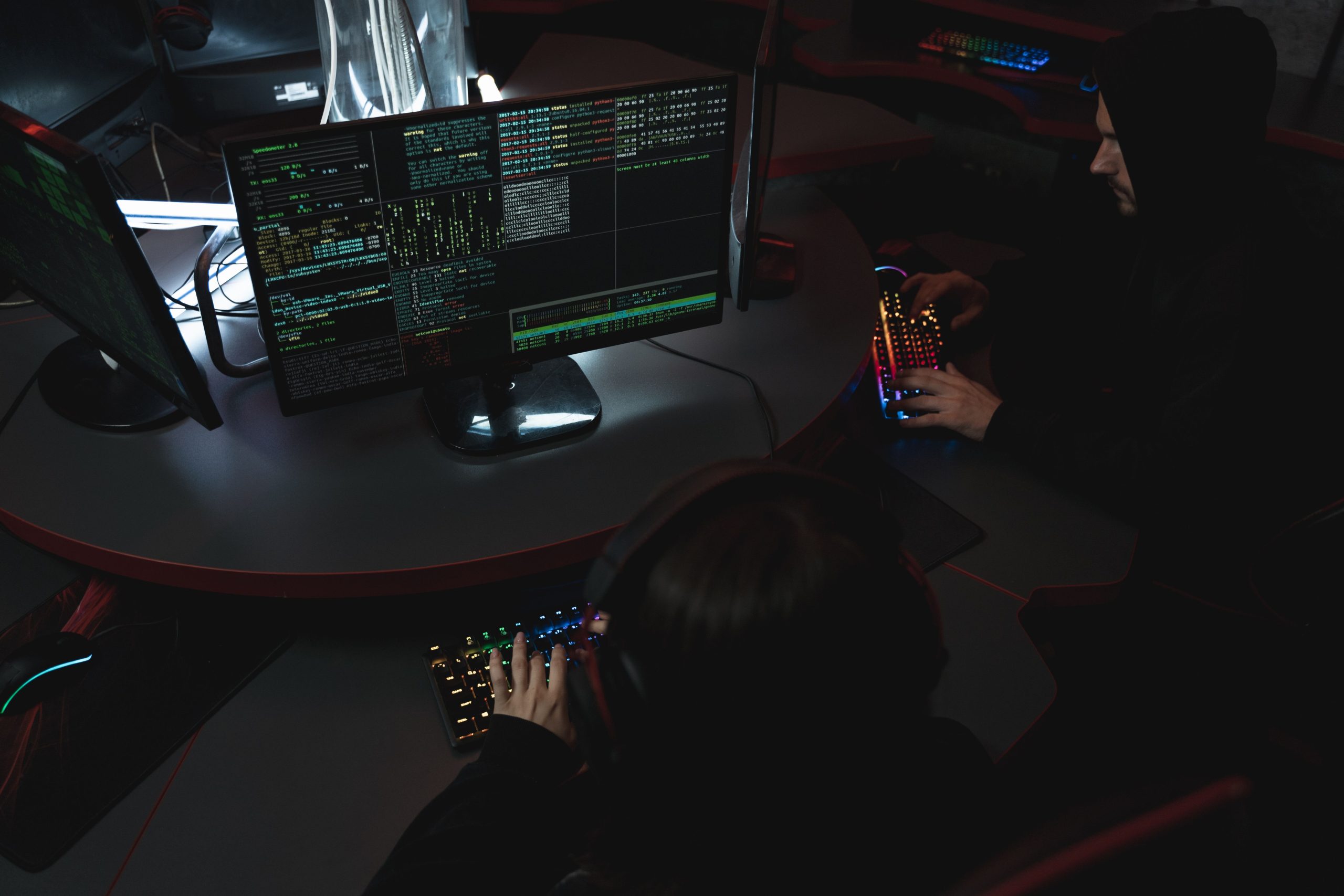
Cyber espionage is the secret use of digital systems to obtain confidential, strategic, political, military, or commercial information. It is commonly associated with state-sponsored groups, intelligence services, and organisations acting on behalf of national governments.
Unlike many cybercriminals, cyber espionage groups are not always motivated by immediate financial gain. Their objective may be to collect government documents, military research, diplomatic communications, intellectual property, business plans, or information about political decisions.
Government security agencies have documented cyber espionage campaigns targeting governmental bodies, defence organisations, universities, healthcare institutions, energy companies, and technology providers.
Selecting a Target
A cyber espionage operation usually begins with intelligence gathering. Attackers identify organisations or individuals who may possess valuable information.
They may study an organisation’s employees, suppliers, software, cloud services, and public-facing systems. Public websites and professional networking platforms can reveal job roles, projects, technologies, and business relationships.
This information may help attackers choose a suitable method of access.
Gaining Initial Access
Attackers may attempt to enter a network through deceptive emails, stolen login credentials, vulnerable internet-facing software, compromised suppliers, or poorly secured cloud accounts.
Phishing is a common method because it targets human judgement. A message may appear to come from a trusted colleague, employer, service provider, or professional contact.
Some advanced groups exploit previously unknown vulnerabilities, but many attacks still rely on recognised weaknesses, weak authentication, or systems that have not been updated. The UK National Cyber Security Centre notes that well-known techniques, including phishing, remain responsible for many successful compromises.
Establishing and Maintaining Access
After gaining entry, espionage actors may attempt to maintain access without attracting attention. They may compromise additional accounts, abuse legitimate administrative tools, or move into cloud services and other connected systems.
The objective is often long-term observation rather than immediate disruption. Attackers may remain hidden while learning how the organisation operates and identifying where sensitive information is stored.
Some state-sponsored groups also route their activity through compromised routers and connected devices. This can conceal the true origin of the operation and make attribution more difficult.
Collecting and Removing Information
Once valuable information has been identified, attackers may collect emails, files, databases, technical documents, credentials, or internal communications.
The stolen data is then transferred out of the victim’s environment. This process is known as data exfiltration.
Attackers may move information gradually to reduce the chance of detection. They may also use encrypted communication or compromised infrastructure to disguise the transfer.
How Organisations Can Reduce the Risk
Organisations can reduce exposure by using multifactor authentication, updating software, limiting administrative privileges, monitoring unusual account activity, securing cloud services, and training employees to recognise suspicious messages.
Network segmentation can prevent one compromised account from providing access to every system. Regular asset inventories are also important because unknown or forgotten devices may remain unprotected.
Incident response plans should explain how to isolate affected systems, preserve evidence, notify decision-makers, and restore operations.
Final Thoughts
Cyber espionage works by quietly gaining access to digital environments, locating valuable information, maintaining a hidden presence, and transferring data without permission.
Its greatest danger is that an organisation may not immediately realise that information has been stolen. Strong identity controls, continuous monitoring, updated systems, employee awareness, and careful protection of sensitive data can make long-term espionage operations more difficult to conduct. For more, explore asymmetric warfare in modern conflict, strategic deterrence explained, hybrid warfare methods and examples, how to pace a thriller.