
Blogs
How Are Drones Used in Counterterrorism?

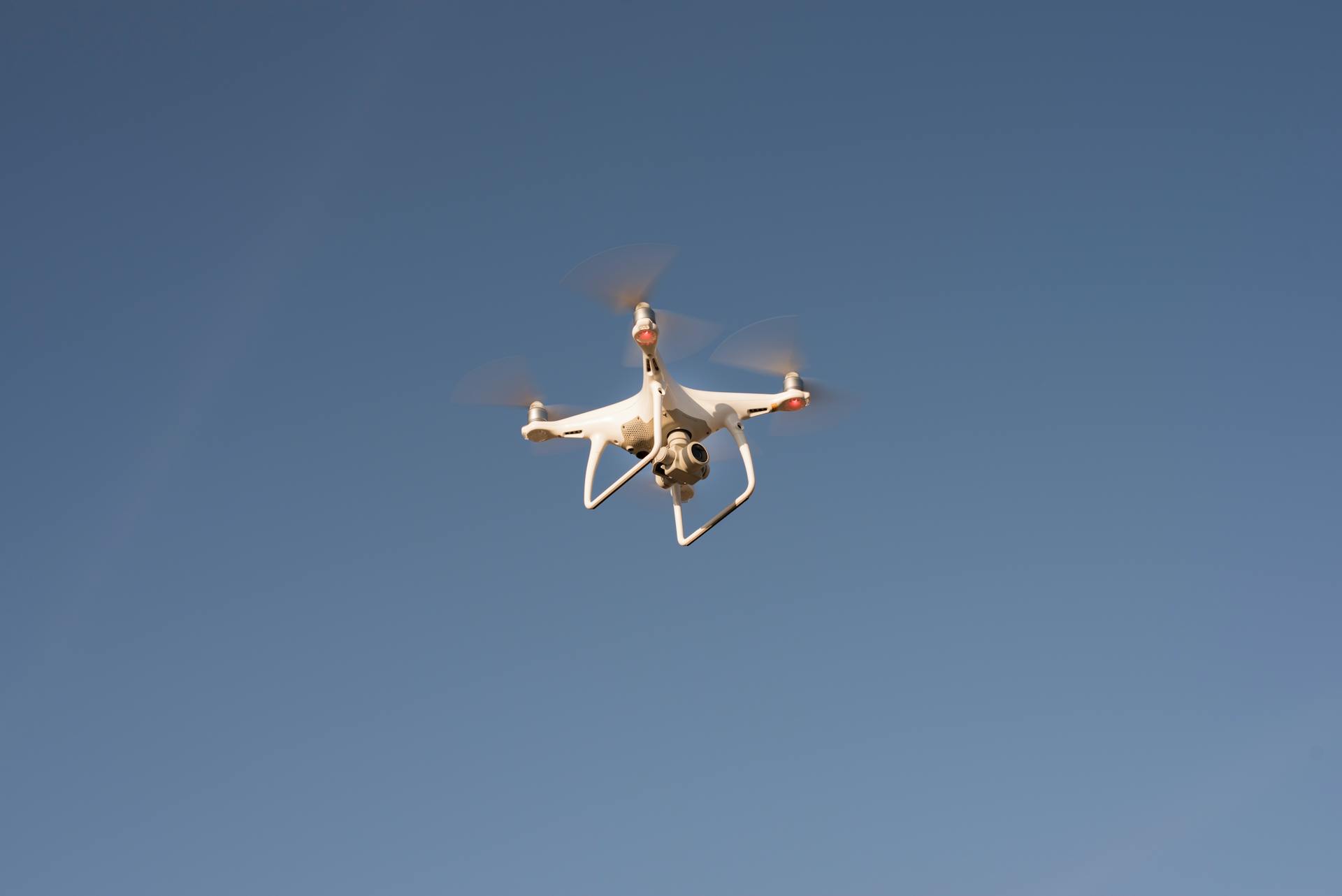
Modern counterterrorism depends on speed, accuracy, and strong intelligence. Security agencies must detect threats early, monitor suspicious activity, and respond quickly without putting personnel at unnecessary risk. This is where drone technology has become a powerful asset. If you are wondering how are drones used in counterterrorism, the answer lies in their ability to provide real-time surveillance, improve operational planning, and support faster, safer responses.
Drones, also known as unmanned aerial vehicles (UAVs), allow security forces to observe situations from above, gather critical data, and act with greater precision. Their growing role is transforming how governments and law enforcement agencies prevent and manage security threats.
Real-Time Surveillance and Intelligence Gathering
One of the most important uses of drones in counterterrorism is aerial surveillance. Equipped with high-definition cameras, night vision, and thermal imaging, drones can monitor areas continuously without drawing attention.
Security teams use drones to:
- Observe suspected hideouts or training locations
- Monitor border regions and infiltration routes
- Track suspicious vehicles or group movements
- Watch high-risk zones for unusual activity
Live video feeds are transmitted directly to command centers, allowing analysts to assess situations instantly. This real-time intelligence helps authorities make informed decisions before a threat escalates.
Monitoring Remote and High-Risk Areas
Many counterterrorism operations take place in locations that are difficult or dangerous to access, such as mountains, deserts, forests, or conflict zones. Sending ground teams into these areas can expose them to significant risk.
Drones provide a safer and more efficient solution. They can fly over large areas, create detailed maps, and identify hidden camps, supply routes, or illegal crossings. Long-endurance drones allow agencies to maintain constant surveillance without deploying large teams, improving both safety and operational efficiency.
Target Identification and Operational Support
Another key way drones support counterterrorism is through accurate target identification. Aerial monitoring helps confirm the presence of suspects, weapons, or suspicious activities before any action is taken.
This level of verification reduces the chances of errors and improves mission planning. During operations, drones provide tactical support by giving ground forces a live aerial view of the environment. This helps teams understand terrain, identify risks, and coordinate movements more effectively.
In high-threat situations, some agencies also use armed drones for precision strikes against confirmed targets. These operations rely on verified intelligence and careful planning to minimize collateral damage and protect civilians.
Crowd Monitoring and Public Event Security
Counterterrorism efforts are not limited to remote locations. Large public gatherings such as political rallies, sporting events, festivals, and religious celebrations require strong preventive security measures.
Drones offer a wide aerial view of crowds, helping authorities monitor movement patterns and detect potential risks. They can quickly identify abandoned objects, restricted-area breaches, or unusual behavior. If an incident occurs, drones help emergency teams assess the situation and direct resources where they are needed most.
Search, Tracking, and Crisis Response
During active security incidents, drones play a critical role in tracking suspects and supporting crisis management. Their ability to follow targets from the air allows law enforcement to maintain surveillance without alerting suspects.
Small tactical drones are also used during hostage situations, building searches, or urban operations. These devices can enter structures and transmit live footage, helping security teams understand layouts, identify threats, and plan safer entry strategies.
Data Analysis and Preventive Security
Modern counterterrorism drones do more than capture images. They collect large amounts of operational data that can be analyzed using advanced software and artificial intelligence. By studying patterns over time, agencies can identify suspicious behavior, movement trends, or emerging risks.
This shift from reactive response to preventive security is one of the biggest advantages of drone technology. Instead of responding after an incident occurs, authorities can act earlier to disrupt potential threats.
The Growing Importance of Drones in Counterterrorism
As security challenges become more complex, the role of drones continues to expand. Improved sensors, longer flight times, and better communication systems are making drone operations more reliable and effective.
Understanding how are drones used in counterterrorism shows why they have become essential tools for modern security agencies. From surveillance and intelligence gathering to crisis response and preventive monitoring, drones help protect lives while reducing risk to personnel.
With ongoing technological advancements, drones will remain a key part of counterterrorism strategies, helping authorities stay one step ahead of evolving threats.